
Best Curtain Fabric for Living Rooms: A Room-by-Room Guide
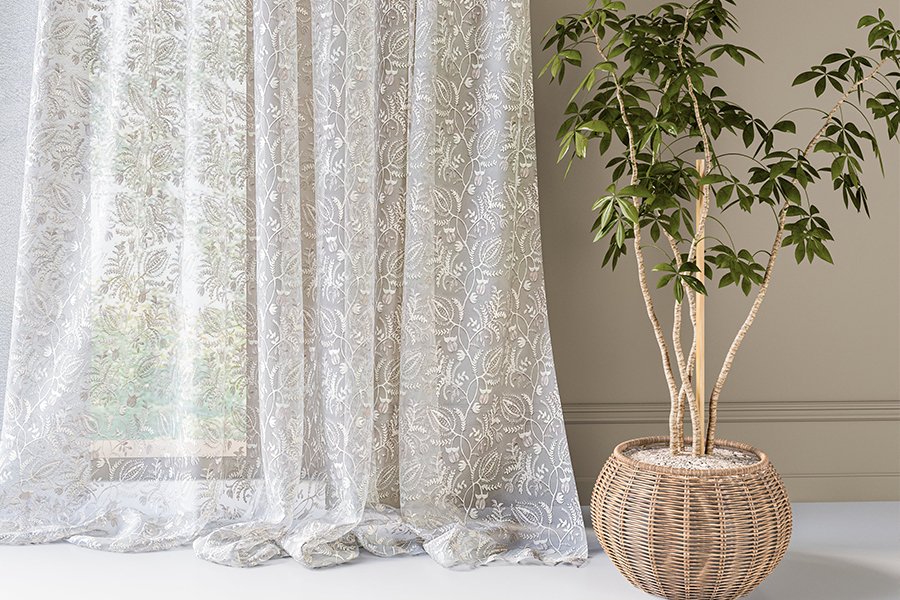
Your living room is where the whole home comes together. It is where you relax, host guests, watch films, celebrate festivals and spend most of your waking hours at home. It is also usually the room with the biggest windows, which means the curtains there do the heaviest lifting and get the most attention.
That makes the choice of curtains for the living room one of the most important decisions in your home. The right fabric softens the room, controls glare, protects your sofa and flooring from fading and gives the space its character. The wrong one can leave the room too bright, too dark, too stuffy or simply unfinished.
There is no single best curtain fabric for a living room, because living rooms differ. A sunny west-facing apartment in Mumbai needs different curtains from a shaded villa lounge in the hills. In this guide, we walk through what living room curtains must do, compare the best fabrics, and then go room by room, helping you choose for your own space, light and lifestyle.
What Your Living Room Curtains Need to Do
Before comparing fabrics, be clear about the jobs your curtains must perform. Most living rooms ask for five things at once.
Control light. You want natural light by day without glare on the television or heat on the sofa. In the evening, you may want softer, warmer light or full darkness for a film.
Provide privacy. Ground-floor flats, road-facing windows and homes in dense neighbourhoods need curtains that obscure the view in by day and by night.
Manage heat and sound. Heavier, lined curtains reduce heat gain from strong sun and soften echo in rooms with hard floors and little upholstery. This helps in air-conditioned rooms, where it keeps the cool in.
Protect your furniture. Direct sunlight fades sofas, rugs, wooden floors and artwork. Good curtain fabric acts as a shield, and a good lining adds a second layer of defence.
Set the style. Curtains occupy a lot of visual space. They tie together walls, sofa, rugs and lighting, and they decide whether the room feels airy, cosy, formal or relaxed.
No single fabric does all five perfectly. That is why many of the best living rooms use two layers: a light layer for daytime and a heavier layer for night. Keep this layered idea in mind as we move through the options.
The Best Curtain Fabrics for Living Rooms
Here are the main contenders, with honest notes on where each shines and where it struggles.
Cotton and Cotton Blends
Breathable, soft and easy to live with, cotton gives a relaxed, natural feel. It filters light gently and suits warm climates. Pure cotton can fade and crease, so a cotton-polyester blend gives better colour retention and shape. Best for: everyday family living rooms and casual interiors.
Linen and Linen Blends
Linen delivers a crisp, airy, textured look that makes rooms feel bright and open. It diffuses light beautifully and looks lovely as a sheer or semi-sheer. It wrinkles easily, which is part of its charm, and pure linen can stretch over time. Best for: light, modern or Scandinavian-style living rooms.
Nu Home’s Matera Collection offers a combination of Linen blends.
(link-https://www.nuhome.in/collection-detail/matera )
Velvet
Velvet is rich, heavy and dramatic. It blocks light well, helps with insulation and sound, and gives a formal, luxurious look. It can feel warm in hot weather, so it works best in air-conditioned rooms or cooler regions. Best for: formal living rooms, home theatres and statement spaces.
The Cocoon Collection from Nu Home is one in this category.
Jacquard
Jacquard fabrics have patterns woven into the cloth, creating depth and an upscale look. They hang well, hide marks and suit traditional and contemporary rooms alike. Best for: living rooms that need a polished, lasting look.
Polyester and Polyester Blends
Strong, colourfast and low-maintenance. Modern polyester fabrics can look surprisingly refined and are the backbone of many blackout and textured curtains. They resist fading well, which matters in sunny rooms. Best for: busy homes and rooms with strong sun.
Sheers and Voiles
Light, translucent panels that soften glare, keep daytime privacy and let in a pleasant glow. They do little for night privacy or heat, so they usually work in layers. Best for: the inner layer of almost any living room. Nu Home’s Feather Collection offers a vast range of sheer curtains.
(link- https://www.nuhome.in/collection-detail/feathers )
Silk and Silk Blends
Silk has an unmatched sheen and drape, but it is sensitive to sunlight and moisture. It needs lining and careful placement, away from harsh direct sun. Best for: formal, low-sun rooms where appearance leads.
Living Room Curtain Fabrics at a Glance
|
Fabric |
Light control |
Heat and sound |
Fade resistance |
Care |
Look |
|
Cotton blend |
Medium |
Low |
Medium |
Easy |
Relaxed, natural |
|
Linen blend |
Low to medium |
Low |
Medium |
Moderate |
Airy, textured |
|
Velvet |
High |
High |
Medium to high |
Moderate |
Rich, formal |
|
Jacquard |
Medium to high |
Medium |
High |
Easy to moderate |
Polished, patterned |
|
Polyester blend |
Medium to high |
Medium |
High |
Easy |
Clean, versatile |
|
Sheer or voile |
Low |
Low |
Medium |
Easy |
Light, soft |
|
Silk blend |
Medium |
Medium |
Low |
Delicate |
Glossy, elegant |
These are general guides. Weave, weight and lining change results considerably, so check the specific fabric.
Room by Room: Choosing Curtains for Your Type of Living Room
Now the practical part. Find the description closest to your own living room.
The Sunny, West-Facing Living Room
Afternoon sun brings glare, heat and fading. Choose a colourfast polyester blend, jacquard or lined cotton blend in a mid-tone, layered over a sheer. A good lining is essential. Avoid silk and pale, unlined linen, which can fade or become see-through in strong light.
The Small Living Room
In a compact room, curtains should add height and light, not bulk. Pick light to medium weights in pale or soft colours, such as cotton-linen blends or light polyester, and hang them close to the ceiling to lift the eye upward. Keep patterns subtle. Sheer layers help the room feel open.
The Large or Double-Height Living Room
Big windows can carry bold choices. Heavier fabrics such as velvet, jacquard or textured weaves hold their shape over long drops and prevent the room from feeling empty. Use generous fullness and consider floor-to-ceiling panels. Make sure the rod and brackets are strong enough.
The TV and Entertainment Room
Glare on a screen spoils the film. Choose dim-out or blackout-lined curtains in a dark or neutral colour. Velvet and heavy polyester blends work well, and their weight also helps absorb sound. Pair with a sheer for daytime if you want soft light.
The Formal Living Room
For a room used mainly for guests, appearance leads. Velvet, jacquard and silk blends in rich colours give a refined look. Add lining and interlining for body and a luxurious drape. Because use is lighter, you can choose more delicate fabrics.
The Busy Family Living Room
This room lives hard. Choose washable, stain-tolerant, colourfast fabrics such as treated polyester blends, tight-weave cotton blends or textured jacquard. Darker or patterned fabrics hide marks better than pale plains. Sheer curtains that can go in the machine are a practical bonus.
The Open-Plan Living and Dining Space
Here, curtains must work across a large area and sit well with the dining zone. Choose durable, easy-care fabrics that stand up to cooking smells and frequent use, such as polyester blends and jacquards. Keep colours consistent along the full run of windows so the space feels connected.
The Humid, Coastal Living Room
In coastal and monsoon-heavy cities, moisture is a constant. Breathable cotton and linen blends and quick-drying polyester blends work better than heavy silks. Ensure the room is ventilated, and wash curtains before the rains if you can.
Colour, Pattern and Style for Living Room Curtains
Fabric decides how curtains perform. Colour and pattern decide how they feel.
Start with your walls and sofa. A simple rule is to choose curtains that either blend softly with the walls, which makes the room feel larger, or contrast gently, which adds depth. Avoid matching the sofa exactly. Complementary tones look more considered.
Neutrals are safe and timeless. Ivory, beige, stone, taupe and warm grey suit nearly every Indian living room and let your furniture and art stand out. Add interest through texture rather than colour.
Rich colours add drama. Deep green, navy, rust, terracotta, mustard and burgundy work well in velvet and jacquard. Use them when walls and floors are calm, so the curtains become the focal point.
Use pattern with intent. A subtle stripe adds height, a small geometric adds energy, and a large floral or damask suits spacious, traditional rooms. If your sofa or rug is already patterned, choose a plainer or textured curtain.
Match the style of the room.
- Modern: clean solids, subtle texture, sheer layers, minimal headers.
- Traditional: jacquard, damask, velvet, rich borders and tassel tiebacks.
- Contemporary Indian: warm neutrals or jewel tones with woven motifs and a touch of metallic.
- Minimal and Scandinavian: linen look, soft whites and natural tones.
- Eclectic: one confident colour, balanced with simple surroundings.
Check colour in your light. Curtains look different on a showroom rail than on your window, morning versus evening. Always view a swatch in your own room before committing.
Layering, Lining, Length and Fullness
The best curtain fabric can still disappoint if it is made up poorly. These details separate good living room curtains from great ones.
Layer a sheer under a heavier curtain. The sheer handles daytime light and privacy, while the heavier layer handles night, heat and dramatic effect. This two-layer approach is the most flexible solution for living rooms.
Add lining. Lining protects the face fabric from sun, improves drape, increases light control and adds insulation. Blackout lining suits TV rooms. Standard lining suits most others. Interlining adds extra body for formal rooms.
Hang high and wide. Mount the rod close to the ceiling, or a hand's width above the window frame, and extend it 15 to 30 cm beyond each side. This makes windows look larger and lets the curtains stack off the glass so that daylight can enter fully.
Choose the right length. Floor-length curtains look most elegant. They should either just graze the floor or hover a centimetre above it. Curtains that stop awkwardly short of the floor look unfinished. Pooled, puddled hems are dramatic but collect dust.
Be generous with fullness. For good folds, aim for fabric roughly two to two and a half times the width of the rail. Flat, tight curtains look thin even in expensive cloth.
Pick a heading that suits the fabric. Pinch pleats and wave folds suit heavier fabrics and formal rooms. Eyelets and tab tops look relaxed and work with lighter fabrics. Think about how often you will draw them, as some styles glide more easily than others.
Do not forget the hardware. Choose a sturdy rod or track, and match its finish to other metals in the room. For large windows and heavy fabrics, a track or heavy-duty rod prevents sagging.
Caring for Living Room Curtains
Good curtains can last many years with simple habits.
- Dust regularly. Vacuum with a soft brush attachment or shake curtains out every couple of weeks. Dust builds up faster than you expect, especially near busy roads.
- Check the care label. Some fabrics are machine-washable, while velvet, silk and lined curtains usually need professional dry cleaning. Washing the wrong fabric can ruin its shape and colour.
- Wash sheers more often. They trap dust and show it quickly. A gentle wash before the rainy season keeps them fresh.
- Rotate and rehang. Occasionally switch panels from one side to the other so sun exposure is even.
- Iron or steam gently. Follow the fabric's heat limits. Steaming is kinder to most fabrics than a hot iron.
- Act on stains fast. Blot, do not rub, and test any cleaner on a hidden corner.
Common Mistakes to Avoid
- Choosing on looks alone. A beautiful fabric that fades in one summer is poor value.
- Hanging curtains too low or too narrow. It shrinks the window and the room.
- Skipping the lining. You lose protection, drape and insulation.
- Ignoring your climate. Heavy, non-breathing fabrics feel stuffy in hot, humid rooms.
- Picking dark curtains for a small, dim room. They can make it feel smaller.
- Using only one layer. A single curtain rarely handles both day and night well.
- Forgetting maintenance. A fabric that needs dry cleaning every month will not suit a busy household.
- Not testing a swatch. Always see the fabric in your own light.
Quick Picks: Best Curtain Fabric for Living Room by Need
|
If you want |
Consider |
|
Maximum light filtering |
Linen blend or voile sheers |
|
Strong sun protection |
Lined polyester blend or jacquard |
|
A cosy, luxurious feel |
Velvet with lining |
|
Easy care for a busy family |
Treated polyester blend or tight-weave cotton blend |
|
A formal, elegant look |
Jacquard or silk blend with lining |
|
A relaxed, natural look |
Cotton or linen blend |
|
A home theatre feel |
Blackout-lined velvet or heavy polyester |
|
Best of both worlds |
A sheer layer under a heavier lined curtain |
Final Thoughts
The best curtain fabric for a living room is the one that suits your light, your climate, your household and your style. A sunny family room, a quiet formal lounge and a compact city apartment each ask for something different, and the room-by-room approach above helps you match fabric to need rather than follow a trend.
When in doubt, remember three principles: layer a sheer under a heavier curtain, always add a good lining, and hang generous, full-length panels. Do those three things well and even a modest fabric will look considered.
At Nu Home, we want your living room to feel complete. Explore our curtain collection to find fabrics that bring the right light, privacy and warmth to your home.
FAQs
1. What is the best curtain fabric for a living room?
There is no single best fabric, because it depends on your light, climate and household. Polyester blends and jacquard suit sunny rooms, cotton blends suit everyday family living, and a sheer under a heavier lined curtain suits most.
2. Should I use one layer of curtains or two?
Two is the most flexible. A sheer handles daytime light and privacy, while a heavier layer handles night, heat and drama. A single curtain rarely manages both day and night well.
3. Which fabric is best for a sunny, west-facing living room?
Choose a colourfast polyester blend, jacquard or lined cotton blend in a mid-tone, layered over a sheer. Avoid silk and pale, unlined linen, which can fade or turn see-through in strong light.
4. What should I choose for a TV or entertainment room?
Dim-out or blackout-lined curtains in a dark or neutral colour. Velvet and heavy polyester blends work well, and their weight helps absorb sound. Add a sheer if you want soft light by day.
5. Is velvet too hot for Indian homes?
It can feel warm in hot weather, so it works best in air-conditioned rooms or cooler regions. In hot, humid rooms, breathable cotton or linen blends and quick-drying polyester are more comfortable.
6. Is linen practical for living room curtains?
Linen looks crisp and airy and diffuses light beautifully, especially as a sheer or semi-sheer. It wrinkles easily and pure linen can stretch, so it suits light, modern rooms better than hard-working ones.
7. What works for a busy family living room?
Washable, stain-tolerant, colourfast fabrics such as treated polyester blends, tight-weave cotton blends or textured jacquard. Darker or patterned fabrics hide marks better than pale plains.
8. What curtains suit a small living room?
Light to medium weights in pale or soft colours, such as cotton-linen blends or light polyester. Hang them close to the ceiling to lift the eye, keep patterns subtle and use sheer layers to keep the room open.
9. Do I really need lining?
Yes. Lining protects the face fabric from sun, improves drape, increases light control and adds insulation. Blackout lining suits TV rooms, standard lining suits most others, and interlining adds body for formal rooms.
10. How high and wide should I hang the rod?
Mount it close to the ceiling, or a hand's width above the window frame, and extend it 15 to 30 cm beyond each side. This makes windows look larger and lets daylight in fully when the curtains are open.
11. What is the right curtain length?
Floor-length looks most elegant. Curtains should just graze the floor or hover a centimetre above it. Short curtains look unfinished, and pooled hems are dramatic but collect dust.
12. How much fullness do curtains need?
Aim for fabric roughly two to two and a half times the width of the rail. Flat, tight curtains look thin even in expensive cloth.
13. Which curtain colours work best in a living room?
Neutrals such as ivory, beige, stone, taupe and warm grey suit nearly every Indian living room. Rich colours work in velvet and jacquard when walls and floors are calm. Avoid matching the sofa exactly.
14. How do I care for living room curtains?
Dust them every couple of weeks and check the care label. Velvet, silk and lined curtains usually need professional dry cleaning. Wash sheers more often, ideally before the rains, and blot stains rather than rubbing.
15. What is best for a humid, coastal living room?
Breathable cotton and linen blends and quick-drying polyester blends work better than heavy silks. Keep the room ventilated, and wash curtains before the monsoon if you can.
- The Best Sofa Upholstery Fabric to Transform Your Living Space, By NuHome
- NuHome: Your Best Home Decor Brand for Style and Innovation
- The Best Sheer Curtain Fabrics for Your Living Room: Transparent Elegance for Every Home
- The Ultimate Guide to Curtain Fabrics: Choosing the Best Material for Your Home
- Choosing the Best Curtain and Upholstery Fabrics in India: A Guide to Quality, Customization and Wholesale Options
- The Best Curtain Brand in India: Discover NuHome’s Premium and Luxury Curtain Fabrics
- How to Choose Curtains: A Complete Curtain Buying Checklist Before You Shop
- Upholstery Fabric: How to Choose the Right Fabric for Your Furniture and Interiors
- Curtain Fabric: A Complete Guide to Choosing the Right Fabric for Every Space
- How to Pick the Right Upholstery Fabric for Your Sofa
- Premium Curtain Fabric Brands in India: What to Look For
- Premium vs. Luxury Sofa Fabric: What's the Real Difference?
- Best Curtain Fabric for Living Rooms: A Room-by-Room Guide
