
Curtain Fabric: A Complete Guide to Choosing the Right Fabric for Every Space
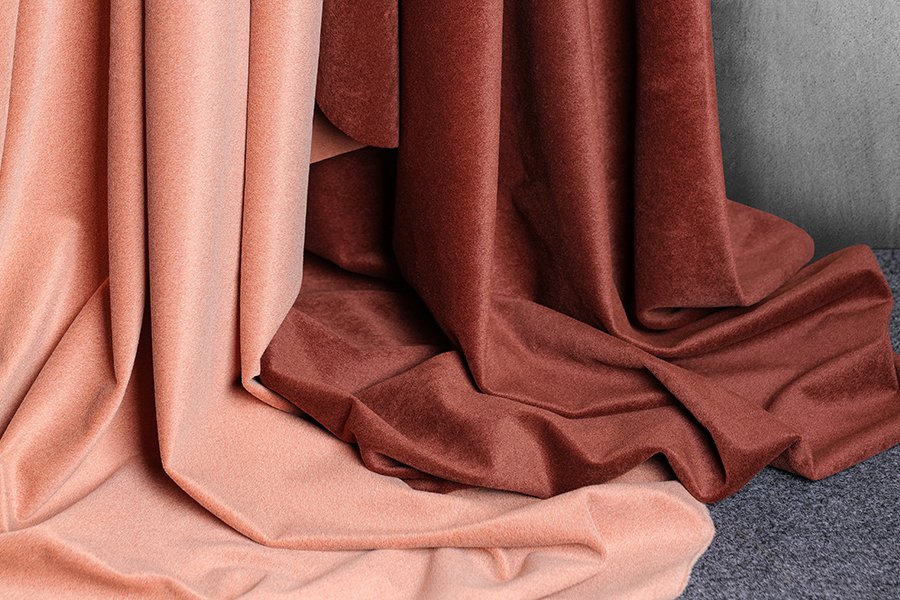
Curtains do much more than cover a window. They influence how a room looks, feels, and functions. The right curtains can soften natural light, create privacy, add warmth, frame a beautiful view, and bring together the colours and textures of an entire interior.
And at the heart of every good curtain is the right curtain fabric.
From lightweight sheers that allow sunlight to filter gently into a room to rich, opaque fabrics that create a sense of privacy and luxury, the choice of fabric can completely change the character of a space. It can make a room feel airy and relaxed, sophisticated and formal, warm and intimate, or contemporary and minimal.
For homeowners, interior designers, architects, and hospitality professionals, choosing curtain fabric is therefore not simply about selecting a colour or pattern. It involves understanding the room, the amount of light it receives, the desired level of privacy, the type of drape required, the overall interior style, and the practical demands of the space.
As a furnishing fabric brand, Nu Home understands that the fabric behind a curtain is just as important as the finished curtain itself. A beautiful curtain needs to fall well, maintain its appearance, work with the available light, and complement the interior over time.
In this guide, we explore everything you need to know about choosing curtain fabric — from different fabric types and finishes to selecting the right material for living rooms, bedrooms, offices, and hospitality spaces.
Why Does Curtain Fabric Matter?
When selecting curtains, it is easy to focus first on colour. However, two curtains in the same shade can look completely different depending on the fabric they are made from.
A soft linen-look fabric may create a relaxed, natural appearance, while a heavier textured fabric in exactly the same colour can make the room feel more structured and luxurious.
The fabric determines several important characteristics of a curtain:
- How the curtain falls and folds
- How much light enters the room
- How much privacy the curtain provides
- How the fabric responds to sunlight
- How the curtain feels to the touch
- How formal or casual the space appears
- How easily the curtain can be maintained
- How well it complements other furnishings
This is why selecting the right curtain fabric should be considered an important part of interior planning rather than an afterthought.
For designers in particular, fabric provides an opportunity to introduce another layer of texture into an interior. Walls, flooring, furniture, upholstery, rugs, cushions, and curtains can all work together to create a cohesive visual language.
A well-developed furnishing collection, such as the collections offered by Nu Home, can make this process easier by giving designers and homeowners different textures, colours and patterns to work with across a space.
Understanding Different Types of Curtain Fabric
There is no single fabric that works for every window or every room. Different fabrics serve different aesthetic and functional purposes.
Here are some of the most commonly considered options when selecting curtains.
1. Cotton Curtain Fabric
Cotton is a versatile choice for curtains and is widely used across different interior styles.
Its relatively natural appearance can work particularly well in casual, contemporary, transitional, and relaxed interiors. Depending on the weave and finish, cotton curtain fabric can range from lightweight and airy to comparatively structured.
Cotton-based fabrics can be used in living rooms, bedrooms, children's spaces, and other areas where a softer appearance is desired.
The visual character of cotton also makes it easy to pair with other furnishing fabrics, including upholstery and cushions.
2. Linen and Linen-Look Curtain Fabric
Linen has long been associated with natural, understated interiors. Its characteristic texture can introduce subtle visual interest without relying on bold patterns.
Linen and linen-look curtain fabrics are particularly suited to spaces where the design calls for an effortless, relaxed aesthetic.
They can work beautifully with:
- Neutral interiors
- Natural wood
- Minimalist furniture
- Contemporary spaces
- Coastal-inspired interiors
- Scandinavian-inspired interiors
- Organic textures
For designers looking to create an interior that feels sophisticated without being overly formal, textured curtain fabric can be an effective choice.
3. Polyester Curtain Fabric
Polyester is widely used in furnishing applications because of its versatility and ability to be developed in a broad range of textures, colours, weights, and finishes.
It can be designed to mimic the appearance of other materials while offering practical performance characteristics.
Polyester-based curtain fabrics are available in lightweight constructions as well as heavier fabrics suitable for curtains where greater opacity or fullness is required.
Their versatility also makes them suitable for a variety of residential and commercial applications.
4. Velvet Curtain Fabric
Velvet is associated with richness, depth, and luxury.
Its dense surface and distinctive texture can give curtains a dramatic appearance, particularly in formal living rooms, bedrooms, entertainment spaces, boutique hospitality environments, and statement interiors.
Velvet curtains can become an important design feature in their own right.
Because the fabric has such a strong visual presence, it can be useful to balance it with relatively restrained patterns and textures elsewhere in the room.
5. Sheer Curtain Fabric
Sheers are lightweight fabrics designed to filter light while maintaining a degree of visual separation.
They are particularly useful when you want to enjoy natural daylight without leaving a window completely uncovered.
Sheer curtains can be used independently or layered with heavier curtains.
A popular approach is to combine or layer:
Sheer + blackout or heavier curtain
During the day, the sheer curtain allows soft natural light into the room. At night, the heavier curtain can be drawn for increased privacy and light control.
This layered approach also creates depth around windows and can make the overall curtain installation feel more complete.
6. Jacquard Curtain Fabric
Jacquard fabrics can introduce intricate patterns and sophisticated textures into curtains.
Instead of relying solely on printed designs, the pattern can be integrated into the fabric structure itself, creating a more dimensional appearance.
Jacquard curtain fabrics can be particularly effective in traditional, transitional, luxury, and statement interiors.
They can feature floral motifs, geometric patterns, abstract designs, or subtle tonal textures.
7. Blackout Curtain Fabric
Blackout curtains are designed for situations where controlling incoming light is a priority.
They can be especially useful in:
- Bedrooms
- Home theatres
- Children's rooms
- Hotels
- Guest rooms
- Offices where glare needs to be reduced
Blackout fabrics can also contribute to privacy and help create a darker environment when required.
For residential spaces, blackout curtains are often paired with decorative curtains or sheers to combine functionality with aesthetics.
The Siesta Collection series by Nu Home features blackout curtains. Series I-IV of Siesta offers you a range of options in colours and fabrics within blackout curtains.
Choosing Curtain Fabric for Different Rooms
The ideal curtain fabric depends heavily on where the curtains will be used.
A fabric that works beautifully in a formal living room may not necessarily be the best choice for a bedroom or workspace.
Curtain Fabric for Living Room
The living room is often one of the most important spaces in a home. It is where guests are welcomed, families spend time together, and the overall design language of the home is often most visible.
When selecting curtain fabric for living room spaces, consider both the architecture and the existing furnishings.
For a contemporary living room, textured solids, linen-look fabrics, subtle geometric patterns, or understated neutrals can work well.
For a more traditional interior, patterned jacquards, rich textures, or heavier fabrics may complement the furniture and architectural details.
For a minimalist space, the curtain does not necessarily need to become the focal point. A softly textured fabric in a complementary neutral can add warmth without overwhelming the room.
When choosing curtain fabric for a living room, consider:
- The size of the windows
- Amount of sunlight
- Existing upholstery
- Wall colour
- Flooring
- Furniture style
- Desired privacy
- Overall colour palette
Large windows can particularly benefit from fabrics with a beautiful drape, as the curtain becomes a significant visual element within the room.
With a furnishing brand such as Nu Home, exploring coordinated textures and colourways can also help create a more cohesive relationship between curtains and the other soft furnishings within a living space.
Curtain Fabric for Bedrooms
Bedrooms usually require a different balance of aesthetics and functionality.
Privacy and light control tend to be more important, particularly for bedrooms that face busy streets or receive strong morning sunlight.
A layered window treatment can be particularly effective here.
A sheer curtain can soften daylight during the day, while a heavier or blackout curtain can provide greater darkness and privacy when needed.
For bedrooms, softer textures and calming colours are often preferred. Neutral tones, muted greens, blues, earthy shades, and warm greys can complement a restful environment.
The texture of the fabric also matters. A soft, tactile fabric can make the window treatment feel more inviting and comfortable.
Curtain Fabric for Dining Areas
Dining spaces can accommodate a wide variety of curtain styles depending on the overall interior.
In a formal dining room, a richer or patterned curtain fabric can add sophistication.
In a contemporary dining area, textured solids or subtle geometric designs can create visual interest without competing with the dining table and lighting.
If the dining area receives strong sunlight, consider the fabric's light-filtering and performance characteristics when making your selection.
Curtain Fabric for Home Offices
Home offices often require a balance between comfort and functionality.
Excessive sunlight can cause glare on computer screens, while a completely dark room may not feel inviting during the day.
Medium-weight curtains, layered sheers, or fabrics with light-filtering properties can help create a more comfortable environment.
For a professional-looking workspace, subtle textures and understated colours can work particularly well.
Curtain Fabric for Hospitality Spaces
Hotels, restaurants, lounges, and other hospitality environments have additional requirements.
Here, curtains are not simply decorative. They become part of the guest experience and must work within a larger interior design concept.
Hospitality curtain fabrics may need to be selected based on:
- High-use environments
- Cleaning requirements
- Colour consistency
- Durability
- Light exposure
- Design requirements
- Project specifications
- Fire-performance requirements where applicable
The fabric selection should therefore happen in consultation with the interior designer, architect, project consultant, and furnishing supplier.
What Is Designer Curtain Fabric?
The term designer curtain fabric generally refers to fabrics developed with a stronger emphasis on aesthetics, detailing, texture, pattern, colour, and overall design expression.
Designer fabrics can range from understated and minimal to elaborate and decorative.
What distinguishes a designer fabric is not necessarily how bold it looks. A beautifully developed neutral with a sophisticated weave can be just as impactful as a large-scale printed pattern.
Designer curtain fabrics can be used to:
- Create a focal point
- Introduce texture
- Coordinate with upholstery
- Complement architectural details
- Add colour
- Create visual depth
- Establish a particular design mood
For interior designers, the fabric library becomes an important creative tool. A single collection can provide multiple possibilities for different rooms and projects.
This is particularly relevant when working with a furnishing brand such as Nu Home, where the relationship between individual fabrics and the larger interior scheme can be considered from the beginning.
How to Choose the Right Curtain Fabric
Choosing the right fabric becomes easier when you evaluate it against a few practical questions.
1. How Much Natural Light Does the Room Receive?
Start by understanding the window's orientation and the amount of sunlight entering the space.
A room with intense afternoon sunlight may require a different fabric from a north-facing room with softer natural light.
The colour and weight of the fabric will also influence how the room appears throughout the day.
2. How Much Privacy Do You Need?
For bedrooms and street-facing windows, privacy can be a significant consideration.
Sheers provide limited privacy depending on lighting conditions, while heavier and more opaque fabrics offer greater coverage.
Layering can provide flexibility throughout the day.
3. What Is the Interior Style?
Think of curtains as part of the overall interior rather than a separate element.
A traditional room may call for richer patterns or textures.
A contemporary room may work better with clean, structured fabrics.
A natural or organic interior may benefit from linen-look textures and earthy tones.
4. What Kind of Drape Do You Want?
Drape is one of the most important characteristics of curtain fabric.
Some fabrics fall softly and fluidly, while others create more structured folds.
If you want generous, flowing curtains, a fabric with an appropriate weight and drape is essential.
If you prefer a crisp, architectural appearance, a more structured fabric may be suitable.
Always request a fabric sample before making a final decision.
5. What Colour Should You Choose?
Colour can either blend the curtains into the room or make them a visual feature.
There are several approaches.
Match: Choose a curtain shade close to the walls or upholstery for a seamless look.
Complement: Choose a colour from the existing palette that adds contrast without dominating.
Contrast: Choose a significantly different shade to make the window treatment a focal point.
There is no universal rule. The right approach depends on the design intent.
6. Should You Choose Plain or Patterned Fabric?
Plain curtains can create a calm, timeless appearance and are particularly useful when the room already contains patterned upholstery, rugs, or artwork.
Patterned curtain fabrics can make a stronger statement.
If using a bold pattern, consider the scale of the room and the size of the window. A pattern that looks subtle on a small fabric sample can appear significantly stronger when repeated across a large curtain.
Why Texture Matters in Curtain Fabric
Texture is often overlooked because it is less immediately noticeable than colour.
Yet texture can significantly affect how curtains look.
A completely flat fabric may create a clean and contemporary appearance.
A slubbed or woven texture can add warmth.
A velvet-like surface can create depth and richness.
A jacquard can introduce pattern and dimension.
Textured curtains can be particularly useful in neutral interiors where colour is intentionally restrained.
For example, an interior based primarily on beige, cream, taupe, and brown can still feel visually rich when different textures are layered throughout the room.
This is one of the reasons furnishing fabric collections often include multiple textures within the same colour family.
The Importance of Curtain Fabric Weight
Fabric weight affects both appearance and performance.
Lightweight fabrics can create soft, airy curtains that move easily and allow more light through.
Medium-weight fabrics provide a balance between drape, privacy, and light control.
Heavy fabrics can create fuller folds and a more dramatic appearance.
The appropriate weight depends on the intended application.
It is also important to consider the curtain hardware and construction. A particularly heavy fabric may require appropriate tracks, rods, supports, and installation methods.
Curtain Fabric and Layering
Layering is one of the most versatile approaches to window dressing.
Instead of expecting one fabric to perform every function, two or more fabrics can be combined.
A typical layered arrangement might include:
Sheer curtain → Decorative curtain → Blackout lining
Each layer serves a different purpose.
The sheer controls daytime light and adds softness.
The decorative curtain contributes colour, texture, and design.
The blackout layer provides additional light control and privacy.
Layering also allows homeowners to change the atmosphere of a room throughout the day.
Curtains as Part of a Larger Furnishing Story
Curtains should not exist in isolation.
When planning a complete interior, consider how the curtain fabric interacts with upholstery, cushions, rugs, wall finishes, and other textiles.
For example, a textured neutral curtain can provide a quiet background for a statement sofa.
Alternatively, a patterned curtain can become the starting point for selecting complementary cushion and upholstery colours.
This coordinated approach helps create a more considered interior.
At Nu Home, this broader furnishing perspective is particularly important. Curtains can be treated as one element within a larger textile story, allowing different fabrics, textures and colours to work together rather than competing with one another.
How Curtain Fabric Can Change the Perception of a Room
Curtains can influence how large, tall, bright, or intimate a room appears.
Floor-to-ceiling curtains can emphasise vertical height.
Curtains installed wider than the window can create the impression of a larger opening when they are fully drawn.
Light-coloured fabrics can help maintain an airy appearance.
Darker fabrics can create contrast and make a room feel more intimate.
Continuous curtains across multiple windows can also create a stronger architectural effect than treating each window separately.
The choice of fabric, therefore, works alongside the installation method to influence the final appearance.
Curtain Fabric Trends: Beyond Short-Lived Fads
Interior trends change constantly, but certain principles tend to remain relevant.
Natural-looking textures continue to be popular because they add warmth and depth without requiring strong patterns.
Neutral curtain fabrics remain versatile because they can adapt to changing furniture and décor.
Layered window treatments continue to offer flexibility.
At the same time, designers are increasingly exploring richer colours, tactile fabrics, subtle patterns, and expressive textiles when the curtains are intended to become a focal point.
Rather than following a trend simply because it is fashionable, consider whether the fabric supports the architecture and intended experience of the space.
A well-designed curtain should continue to feel appropriate even as other elements of the interior evolve.
How to Evaluate a Curtain Fabric Sample
Never select a curtain fabric based only on a small online image or showroom swatch.
Whenever possible, examine a physical sample.
Look at it:
- In natural daylight
- Under artificial lighting
- Against the wall
- Next to upholstery
- At different times of the day
- From different distances
Also look at the reverse side of the fabric if relevant.
Pay attention to how the fabric moves and folds.
For larger projects, it is useful to request a larger cutting or sample panel because the appearance of a fabric can change when viewed across a larger surface.
Working with a Furnishing Fabric Brand
For large residential, hospitality, commercial, or design projects, working with a furnishing fabric brand can offer several advantages.
A specialist brand such as Nu Home can provide a broader understanding of how fabrics work within interiors, from colour and texture to coordination across different furnishing applications.
When selecting fabrics for a project, designers may need information about:
- Fabric construction
- Available widths
- Colourways
- Customisation
- Performance characteristics
- Matching collections
- Lead times
- Sampling
- Project requirements
- Bulk quantities
For designers and architects, this can make the fabric-selection process more efficient.
It also allows the furnishing fabric to be considered as part of the larger design requirement rather than simply selected as an off-the-shelf decorative item.
The Right Curtain Fabric Is a Balance of Beauty and Function
A curtain has to look good, but it also has to work.
The best fabric choice considers both.
A beautiful sheer may be perfect for a sun-filled living room but may not provide enough privacy for a bedroom.
A rich velvet may create a dramatic effect but may not suit a minimalist interior.
A heavily patterned fabric may become the focal point in one room but compete with existing upholstery in another.
The objective is not simply to find the most beautiful fabric. It is to find the fabric that is right for the space.
That means considering aesthetics, light, privacy, texture, drape, maintenance, performance, and the overall design direction together.
Conclusively
Curtains are among the largest textile elements within many interiors, which makes them an important design decision.
The right curtain fabric can soften architecture, control natural light, create privacy, add texture, introduce colour, and bring different elements of a room together.
Whether you are selecting curtain fabric for living room spaces, designing a bedroom, furnishing a hospitality project, or developing a complete interior concept, the fabric should always be chosen with the space and its requirements in mind.
From lightweight sheers and textured neutrals to jacquards, velvets, blackout fabrics, and contemporary designer curtain fabric collections, there are countless possibilities.
At the same time, good curtain design does not necessarily mean choosing the most elaborate option. Sometimes the simplest fabric, when chosen for the right room and finished with the right construction, can create the most sophisticated result.
Ultimately, curtains are where functionality and design meet. And when the fabric is right, the difference can be seen not only in how the window looks, but in how the entire room feels.
For a furnishing brand like Nu Home, that is where the role of fabric becomes especially important — not simply as something that covers a window, but as a design element that helps shape the character of a space.
Frequently Asked Questions About Curtain Fabric
1. What is the best fabric for curtains?
There is no single best fabric for every curtain. The right choice depends on the room, amount of sunlight, privacy requirements, desired drape, interior style, and maintenance needs. Cotton, polyester, linen-look fabrics, velvet, jacquards, sheers, and blackout fabrics can all be suitable depending on the application.
2. How do I choose curtain fabric for my living room?
When choosing curtain fabric for living room spaces, consider the room's existing upholstery, wall colour, flooring, natural light, and overall design style. Lightweight fabrics can create an airy appearance, while heavier textured fabrics can provide a richer and more substantial look.
3. What is designer curtain fabric?
Designer curtain fabric generally refers to fabrics where particular attention is given to design, colour, texture, pattern, weave, and overall aesthetic development. Designer fabrics can be understated and minimal or bold and decorative, depending on the collection and intended interior.
4. Which curtain fabric is best for a sunny room?
The appropriate fabric depends on how much sunlight enters the room and the desired level of light control. Sheers can filter daylight, while heavier or blackout fabrics can provide greater control. Layering different fabrics is another effective approach.
5. Is linen good for curtains?
Linen and linen-look fabrics can be excellent choices for curtains when a natural, textured, relaxed appearance is desired. They can work particularly well in contemporary, minimalist, organic, and casual interiors.
6. Are polyester curtains good?
Polyester is widely used in curtain and furnishing applications because it can be produced in many different textures, weights, colours, and finishes. Its suitability depends on the specific construction and requirements of the project.
7. What is the difference between sheer and blackout curtains?
Sheer curtains are lightweight and designed primarily to filter light and soften a window. Blackout curtains are designed to significantly reduce incoming light and provide greater privacy. They can also be layered together to provide greater flexibility.
8. Should curtains match the sofa?
Curtains do not necessarily have to match the sofa exactly. In many interiors, coordinating colours or complementary tones create a more layered appearance. Matching the curtain and sofa too closely can sometimes make the room feel overly uniform.
9. Should curtains be lighter or darker than walls?
Either approach can work. Curtains that are close to the wall colour can create a seamless, understated appearance, while darker curtains can add contrast and make the windows more prominent. The choice depends on the desired visual effect.
10. What colour curtain fabric makes a room look bigger?
Lighter shades such as whites, creams, soft beiges, and light neutrals can help maintain an airy visual appearance. However, the perceived size of a room is influenced by many factors, including curtain height, width, furniture, lighting, and wall colour.
- The Best Sofa Upholstery Fabric to Transform Your Living Space, By NuHome
- NuHome: Your Best Home Decor Brand for Style and Innovation
- The Best Sheer Curtain Fabrics for Your Living Room: Transparent Elegance for Every Home
- The Ultimate Guide to Curtain Fabrics: Choosing the Best Material for Your Home
- Choosing the Best Curtain and Upholstery Fabrics in India: A Guide to Quality, Customization and Wholesale Options
- The Best Curtain Brand in India: Discover NuHome’s Premium and Luxury Curtain Fabrics
- How to Choose Curtains: A Complete Curtain Buying Checklist Before You Shop
- Upholstery Fabric: How to Choose the Right Fabric for Your Furniture and Interiors
- Curtain Fabric: A Complete Guide to Choosing the Right Fabric for Every Space