
How to Pick the Right Upholstery Fabric for Your Sofa
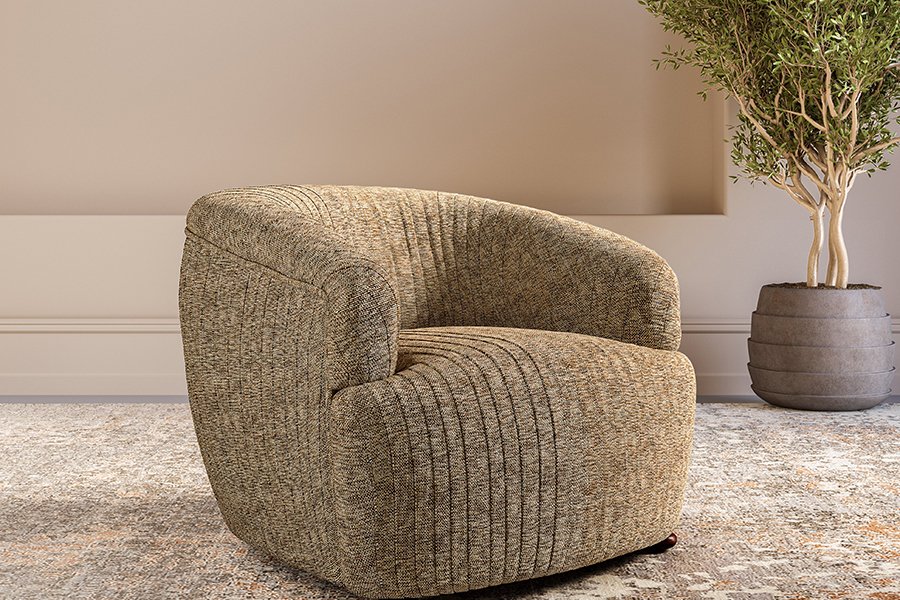
You can have the perfect frame, the ideal size and a layout that suits your room, and still end up unhappy with your sofa if the fabric is wrong. Fabric is what you touch every day, what shows every spill and what decides whether your sofa looks fresh or tired after three years.
The challenge is that there are dozens of options, from cotton and linen to velvet, bouclé, chenille and performance weaves, and every showroom claims its fabric is the best. The truth is that there is no single best fabric for a sofa. There is only the best fabric for your home, your family and your habits.
This guide gives you a simple six-step process for choosing upholstery fabric for your sofa. We will cover how to assess your lifestyle, compare the main fabric types, decode technical specifications, choose colour and texture, and test before you buy. Follow the steps and you will choose with confidence.
Step 1: Start With How You Live
Before you look at a single swatch, answer a few honest questions. They will narrow your options faster than any showroom visit.
Who sits on the sofa? A household with young children needs a fabric that forgives sticky hands, spilled juice and rough play. A couple in their forties who rarely host can choose something more delicate.
Do you have pets? Cats snag loose weaves and loops. Dogs bring dirt, hair and claws. Tightly woven fabrics and smooth, dense surfaces resist both far better than bouclé or loosely woven linen.
How often is the sofa used? A main family sofa that serves as a TV seat, nap spot and guest bed takes far more wear than a formal sofa in a rarely used room. Match the toughness of the fabric to the hours of use.
Where is it placed? A sofa beside a sunny window will fade faster. A sofa near a balcony door sees more dust and humidity. Rooms with air conditioning behave differently from naturally ventilated ones.
What is your climate? In hot, humid cities, breathable fabrics such as cotton blends and linen blends feel more comfortable than heavy, non-breathing surfaces. During monsoon months, fabrics that dry quickly and resist musty smells matter more than you might think.
How much care are you willing to give? Be honest. If you know you will never schedule a professional clean, choose a fabric that tolerates neglect. If you enjoy caring for your furniture, you have more freedom.
Write your answers down. You now have a profile, and every choice that follows becomes easier.
Step 2: Know the Main Types of Sofa Fabric
Now that you know how you live, look at what each fabric family does best. Here are the most common choices for sofa upholstery.
Cotton and Cotton Blends
Soft, breathable and widely available, cotton feels natural and comfortable in warm weather. Pure cotton can wrinkle, stain and fade, so blends with polyester are more practical for daily use. Best for: casual living rooms, homes that value breathability.
Linen and Linen Blends
Linen has a relaxed, textured look and a cool feel. It creases naturally, which is part of its charm, but it can stain and stretch. Blending it with cotton or polyester improves strength. Best for: airy, informal spaces and adult households.
Polyester and Microfibre
The workhorse of modern upholstery. Polyester is strong, colourfast and often treated to resist stains. Microfibre has an ultra-fine weave that feels suede-like and wipes clean easily. Best for: families, pets and busy homes. This is often the best fabric for sofa use where durability comes first.
Velvet
Velvet brings depth, richness and a soft touch. Modern polyester velvets are far tougher than the delicate velvets of the past and are available in strong colours. Pile can crush or show marks, so brush it occasionally. Best for: statement sofas and stylish living rooms.
Chenille
Chenille has a plush, tactile surface made from soft, tufted yarns. It is warm, comfortable and generally hard-wearing. Claws can pull loops, so check the weave if you have cats. Best for: cosy family rooms.
Bouclé
Bouclé is the textured, looped fabric that has become a design favourite. It is soft and visually rich, but its loops can snag and attract dust. Best for: accent sofas and low-traffic rooms.
Wool and Wool Blends
Wool is naturally resilient, resists wrinkles and feels warm. It suits cooler climates and air-conditioned rooms better than humid ones. Best for: formal, climate-controlled living spaces.
Performance Fabrics
These are engineered for toughness, with high abrasion resistance, stain repellence and easy cleaning. Many look and feel surprisingly refined. Best for: homes with children, pets or heavy daily use.
Sofa Fabrics Compared
|
Fabric |
Durability |
Stain resistance |
Breathability |
Pet-friendly |
Feel |
|
Cotton blend |
Medium |
Low to medium |
High |
Medium |
Soft, natural |
|
Linen blend |
Medium |
Low |
High |
Low to medium |
Crisp, textured |
|
Polyester / microfibre |
High |
High |
Medium |
High |
Smooth, suede-like |
|
Velvet (polyester) |
Medium to high |
Medium |
Medium |
Medium |
Rich, plush |
|
Chenille |
High |
Medium |
Medium |
Medium |
Plush, cosy |
|
Bouclé |
Medium |
Low to medium |
Medium |
Low |
Soft, looped |
|
Wool blend |
High |
Medium |
Medium |
Medium |
Warm, dense |
|
Performance fabric |
Very high |
Very high |
Medium |
Very high |
Varies, often refined |
These ratings are general guides. Quality varies widely within each category, so always check the specific fabric's specifications.
Step 3: Read the Specifications
A fabric's name tells you little. Its specifications tell you a lot. Ask to see these four before you decide.
Martindale rating (abrasion). This test measures how many rubs a fabric can take before showing wear. As a rough guide, around 15,000 to 25,000 rubs suits regular domestic use, and 30,000 or more suits heavy use. For a main family sofa, aim for the higher end.
Pilling grade. Pilling is the formation of tiny fibre balls on the surface. Fabrics are graded from 1 (poor) to 5 (excellent). A grade of 4 or above is a good sign.
Light-fastness. This shows how well the colour resists fading in sunlight, usually on a scale of 1 to 8. If your sofa will sit near a window, look for a rating of 4 or higher.
Cleaning code. Upholstery fabrics are labelled with a code that tells you how to clean them:
- W: clean with water-based products
- S: clean with solvent-based products only
- WS: either method is safe
- X: vacuum or brush only, no liquids
This small code saves you from a costly mistake. If you have children or pets, W or WS fabrics give you the most flexibility.
Also ask about fibre composition. A fabric made of 100% polyester behaves very differently from a cotton-polyester blend, even if they look alike.
Step 4: Choose Colour, Pattern and Texture
Once the practical filters are done, you can enjoy the creative part. But even here, practicality plays a role.
Colour. Light shades such as ivory and pale grey make rooms feel open, but they show marks quickly. Very dark shades hide stains but reveal dust, lint and pet hair. Mid-tones such as taupe, olive, tan, slate and warm grey are the most forgiving, hiding both dirt and dust well. If you love a bold colour like emerald, rust or navy, a sofa is a lovely place to use it, as long as you keep the walls and floor calm.
Pattern. Subtle patterns and textured weaves hide wear far better than plain, flat fabrics. A small herringbone or a woven texture can make a sofa look clean for longer. Large bold patterns make a statement but are harder to match with other furniture and can date faster.
Texture. Smooth surfaces are easy to wipe but can show every crease. Textured surfaces add warmth and depth but can trap dust. Think about whether you want your sofa to feel sleek, soft or rustic, and let texture do that work.
Light. Always view colours in your own room. Showroom lighting is bright and warm, and the same fabric can look quite different in your living room in the morning, at midday and at night.
Step 5: Match the Fabric to Your Room and Style
Your sofa does not sit alone. It shares a room with walls, curtains, rugs and other furniture, and the fabric should feel at home among them.
- Modern and minimal: smooth microfibre, tight-weave polyester or flat-weave performance fabrics in neutral tones.
- Warm and traditional: velvet, chenille or wool blends in deeper colours such as burgundy, forest green or caramel.
- Scandinavian and light: linen blends and textured cotton blends in soft whites, greys and natural tones.
- Eclectic and bold: velvet or bouclé in a confident colour, balanced with plain surroundings.
- Contemporary Indian homes: durable blends in warm neutrals pair well with wooden furniture, brass accents and rich cushions. Choose breathable options for long summers.
Two more design tips help. First, balance texture: if your rug and curtains are heavily textured, a smoother sofa fabric prevents the room from feeling busy. Second, keep a sense of scale: large sofas can handle bolder colours and textures, while compact sofas look neater in calmer fabrics.
Step 6: Test Before You Buy, and Plan Your Budget
Specifications on paper are helpful, but your hands and eyes still matter. Try these quick tests with a swatch or the showroom sample:
- The rub test. Rub the surface firmly with your palm. It should not fuzz, shed or change appearance quickly.
- The scrunch test. Squeeze the fabric in your fist for ten seconds. Heavy, permanent creasing is a warning.
- The stretch test. Gently pull the fabric. It should recover without sagging.
- The back check. Turn the fabric over. The weave should look even, and the backing should be clean.
- The light check. Take the swatch home and view it by a window and under lamps.
- The comfort test. Sit on a sample sofa for at least ten minutes. Your skin will tell you if the fabric is too rough, too warm or too slippery.
On budget, remember that fabric is only part of the cost. Foam, frame and craftsmanship matter just as much. A good fabric on a poor frame will sag and wrinkle, and a good frame in a poor fabric will look worn. Rather than choosing the cheapest or the most expensive option, look for the best fabric your budget allows while keeping the frame and cushioning strong. Over a sofa's life, spending slightly more on a better fabric usually costs less than replacing or recovering early.
Frequently Asked Questions (FAQs)
What is the best sofa fabric for a hot, humid climate?
Cotton or linen blends with a tight weave are the most comfortable. They are breathable, so they feel cooler against the skin during long summers. Pure cotton and pure linen can wrinkle and stain, which is why blends with polyester are more practical for daily use. During the monsoon, favour fabrics that dry quickly and resist musty smells. Heavy, non-breathing surfaces tend to feel sticky in heat, so think carefully before choosing them for a naturally ventilated room.
Which fabric should I choose for a sofa near a sunny window?
Choose a fabric with high light-fastness in a mid-tone colour. Sunlight fades colour over time, and the damage shows most on pale and very dark shades. Check the light-fastness rating, usually on a scale of 1 to 8, and look for 4 or higher. If you can, add curtains or sheer blinds to soften direct sun during the brightest hours. Rotating cushions also helps the fabric age evenly.
What is the best fabric for a formal living room?
Velvet, a wool blend or a refined textured weave is a good fit. These fabrics bring richness and depth to rooms that are used less often. Modern polyester velvets are far tougher than the delicate velvets of the past, so they cope well with occasional guests. Wool blends are naturally resilient and resist wrinkles, though they suit cooler climates and air-conditioned rooms better than humid ones. Since a formal room sees fewer hours of use, you can prioritise look and feel a little more.
What should I buy for a rented home or short-term use?
A durable polyester blend in a neutral shade is the most practical option. It handles daily wear, is easy to clean and looks good in almost any room. Neutral colours also move well from one home to the next, so the sofa will suit a new space if you relocate. You do not need to spend heavily on delicate fabrics when you may not keep the sofa for long.
Which fabric suits a statement sofa?
Velvet or bouclé in a bold colour makes the strongest statement. Emerald, rust and navy look rich in velvet, and bouclé adds a soft, sculptural texture. Keep the surroundings calm, with plain walls and a simple rug, so the sofa stands out rather than competes. Remember that bouclé snags and attracts dust, so it suits accent sofas and low-traffic rooms better than a main family sofa.
What is the biggest mistake people make when choosing sofa fabric?
Choosing by looks alone is the most common mistake. A beautiful fabric that stains within a week is not a bargain, and a showroom sample rarely shows how a fabric behaves after months of daily use. Start with your lifestyle, then shortlist fabrics that can handle it, and only then pick the one you love most. Looks matter, but they should be the last filter rather than the first.
Why does the Martindale rating matter so much?
It is the clearest guide to how long a fabric will last. The Martindale test measures how many rubs a fabric can take before it shows wear. Without that number, you are guessing at durability. As a rough guide, 15,000 to 25,000 rubs suits regular domestic use, and 30,000 or more suits heavy use. For a main family sofa, aim for the higher end. If a seller cannot tell you the rating, treat that as a warning sign and ask again.
Do I really need to take a swatch home?
Yes. Screens and showroom lights misrepresent colour, and the same fabric can look quite different in your living room. Showroom lighting is bright and warm, so a shade that looked rich in the store may look flat or cold at home. Take the swatch home and view it by a window and under your lamps, in the morning, at midday and at night. It costs very little and prevents an expensive disappointment.
Which specifications should I ask for before buying?
Ask for four things: the Martindale rating, the pilling grade, the light-fastness rating and the cleaning code. Also ask for the fibre composition, because a fabric made of 100% polyester behaves very differently from a cotton-polyester blend, even if the two look alike. Together these details tell you how long the fabric will last, how it will look after use, how it handles sunlight and how you can clean it.
How do I test a fabric swatch properly?
Run six quick checks:
- The rub test. Rub the surface firmly with your palm. It should not fuzz, shed or change appearance quickly.
- The scrunch test. Squeeze the fabric in your fist for ten seconds. Heavy, permanent creasing is a warning.
- The stretch test. Gently pull the fabric. It should recover without sagging.
- The back check. Turn the fabric over. The weave should look even, and the backing should be clean.
- The light check. View the swatch by a window and under lamps at home.
- The comfort test. Sit on a sample sofa for at least ten minutes. Your skin will tell you if the fabric is too rough, too warm or too slippery.
Final Thoughts
Choosing upholstery fabric for your sofa becomes simple when you work through it in order: understand your lifestyle, learn the fabric types, read the specifications, pick colour and texture with care, match your room, and test before you commit. Do that, and you stop chasing a mythical best fabric and start choosing the one that is right for you.
Remember that a sofa is something you live with daily for years. The most sensible fabric is the one that suits your habits, handles your household and still makes you smile every time you sit down.
At Nu Home, we want your sofa to feel right from the first day and stay that way. Explore our sofa collection to find a fabric that fits your home, your family and your style.
- The Best Sofa Upholstery Fabric to Transform Your Living Space, By NuHome
- NuHome: Your Best Home Decor Brand for Style and Innovation
- The Best Sheer Curtain Fabrics for Your Living Room: Transparent Elegance for Every Home
- The Ultimate Guide to Curtain Fabrics: Choosing the Best Material for Your Home
- Choosing the Best Curtain and Upholstery Fabrics in India: A Guide to Quality, Customization and Wholesale Options
- The Best Curtain Brand in India: Discover NuHome’s Premium and Luxury Curtain Fabrics
- How to Choose Curtains: A Complete Curtain Buying Checklist Before You Shop
- Upholstery Fabric: How to Choose the Right Fabric for Your Furniture and Interiors
- Curtain Fabric: A Complete Guide to Choosing the Right Fabric for Every Space
- How to Pick the Right Upholstery Fabric for Your Sofa
- Premium Curtain Fabric Brands in India: What to Look For
- Premium vs. Luxury Sofa Fabric: What's the Real Difference?
- Best Curtain Fabric for Living Rooms: A Room-by-Room Guide
