
Premium Curtain Fabric Brands in India: What to Look For
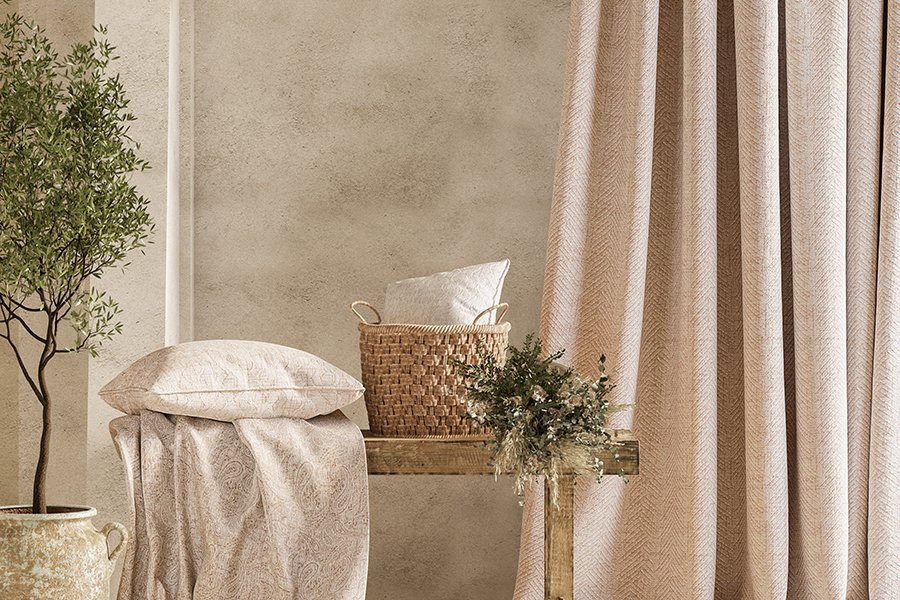
Curtains work harder than almost anything else in your home. They cut harsh Indian sunlight, shield your sofa and floors from fading, add privacy, dampen sound and set the mood of a room. Yet many of us spend weeks choosing a sofa and only minutes choosing the curtains that go with it.
That shortcut gets expensive. A weak curtain fabric fades within a season, sags at the hem, shrinks in the wash or lets the afternoon glare straight through. A good one drapes well and still looks fresh years later.
India now offers plenty of choice, from long-established textile houses to design-led home labels and imports. This guide covers what makes a curtain fabric brand premium, which fabrics suit Indian homes, which brands are worth knowing, how to check a fabric before you buy and how to choose by room. Ten FAQs at the end answer the questions buyers ask most.
What Makes a Curtain Fabric Brand "Premium"?
"Premium" is used loosely in Indian retail. A genuinely premium curtain fabric brand usually shows six traits.
- Manufacturing control. Brands that weave, dye and finish their own cloth keep quality steady from batch to batch. Ask whether the brand makes its fabric or only labels it. It matters when you reorder a few metres months later and need the shade to match.
- Design depth. Original jacquards, embroidered sheers, textured weaves, velvets and prints from in-house studios or international design partners. Look for range, but also for coherence across a collection.
- Weight and hand. Good curtain fabric has body. It falls in soft, even folds instead of hanging limp or stiff. Weight in grams per square metre (GSM) is a quick clue, covered in the checklist below.
- Colour and finish performance. Premium fabric resists fading in strong sun, holds its colour through cleaning and does not shrink or pucker at the seams. With so many Indian homes facing intense afternoon sun, this is not optional.
- Functional finishes. Blackout and dim-out linings, water-repellent surfaces, flame-retardant options and stain- and dust-resistant fabrics are real advantages in humid, dusty cities.
- Service and consistency. Swatch books, stitching guidance, clear care instructions, reliable stock and a way to resolve problems. Fabric you cannot reorder or get advice on loses much of its value.
Which Fabrics Suit Indian Homes?
Before comparing brands, decide which fabric family fits your room and climate. The right material matters more than the label.
- Cotton and cotton blends: breathable, natural and easy to wash. Good for relaxed living rooms and bedrooms. Pure cotton can fade and crease, so blends often last longer.
- Linen and linen blends: a crisp, textured, upscale look that filters light beautifully. Ideal for sheers and day rooms, though it wrinkles and needs gentle care.
- Polyester and poly blends: strong, colourfast and low-maintenance. Many premium blackout and jacquard curtains use polyester for stability and fade resistance.
- Velvet: rich and insulating, with excellent light-blocking. Best for bedrooms, home theatres and formal rooms. It can feel heavy in hot rooms, so use it where there is air conditioning.
- Jacquard: woven patterns that add depth and a formal look. A staple of premium collections.
- Silk and silk blends: elegant and glossy, but sensitive to sunlight and moisture. Best in rooms with limited direct sun, with lining for protection.
- Sheers and voiles: light, airy panels that soften glare and add privacy by day. Often layered with heavier curtains.
For most Indian homes, layering works best: a sheer for daytime softness and a heavier, lined curtain for night-time privacy and heat control. Together they protect furniture and give you flexibility through the day.
Curtain Fabric Brands in India Worth Knowing
No official body ranks curtain brands, so treat any list as a starting point rather than a verdict. The names below come up repeatedly in industry coverage and retail guides, and the descriptions draw on those sources and the brands' own statements. Always judge the specific fabric in front of you.
D'Decor. The most prominent name in premium curtain fabric in India. The Mumbai company was founded in 1999 as a manufacturer and exporter of curtain and upholstery fabrics, supplying customers in over 65 countries. It launched its consumer brand in India in 2010 with Shah Rukh Khan and Gauri Khan as ambassadors, and its own range now covers curtains, blinds, rugs, bedding and more. It describes itself as the first in India to introduce water-repellent and flame-retardant fabrics. Its strength is design breadth and manufacturing scale, with a focus on the customised end of the market.
GM Fabrics (Homes Furnishings). A Mumbai textile house with decades of experience in drapery and upholstery, with exhibitor details showing certifications such as GOTS and GRS. Its consumer label, Homes Furnishings, sells curtains and upholstery through multi-brand outlets. A good option if you value an established manufacturer with an export background.
Raymond Home. Part of the Raymond group, one of India's oldest textile names. Retail guides place it in the mid-to-high segment, and it offers ready-made curtains alongside its wider home textile range. Appeals to buyers who trust a heritage brand.
Fabindia. Known for handcrafted, craft-led textiles. Its curtains lean towards premium cotton and linen with traditional detailing. Suits homes that favour natural, earthy interiors.
Spaces by Welspun. Welspun's home textile brand, known for contemporary prints and a sustainability message. Through a partnership with Drape Story, it offers a customised curtain experience.
Bombay Dyeing. One of India's oldest textile brands, positioned as a dependable, accessible choice with solids, prints and textured weaves.
KC Fabrics. A furnishing fabric company that says it was founded in 1931, focused on curtain and upholstery fabrics at well-judged prices.
Homemonde. A newer Indian curtain label that says it holds GOTS and ISO certifications, worth checking if organic and sustainable production matters to you.
Nu Home. Included in retail roundups of Indian curtain brands for offering premium-looking curtains at accessible prices.
At a Glance
|
Brand |
Best known for |
Typical fabric focus |
Price positioning* |
|
D'Decor |
Design range, manufacturing scale, customised looks |
Jacquard, velvet, sheers, embroidered, performance |
High |
|
GM Fabrics |
Established drapery and upholstery manufacturer |
Jacquard, velvet, print, embroidery |
Mid |
|
Raymond Home |
Heritage textile brand |
Cotton, blends |
Mid to high |
|
Fabindia |
Handcrafted, natural fibres |
Cotton, linen |
Mid to high |
|
Spaces by Welspun |
Modern prints, customisation |
Cotton, polyester |
Mid |
|
Bombay Dyeing |
Accessible, trusted name |
Cotton, polyester |
Low to mid |
*Price positioning for D'Decor, Raymond Home, Fabindia, Spaces and Bombay Dyeing follows a HouseGyan retail guide; the GM Fabrics entry is our estimate. Actual prices depend on the specific fabric and finish.
What to Check Before You Buy
A brand name is a good signal, but specifications tell you what you are really getting. Be wary of any seller who cannot provide them.
Fabric weight (GSM). Sheers and voiles are light, everyday curtains sit in the middle, and blackout, velvet and heavily lined drapes are heavier. Heavier fabric usually hangs better and blocks more light, but check that your rod and brackets can carry it.
Fibre composition. Ask for percentages. A fabric sold as cotton may be a cotton-polyester blend, which is not necessarily bad, but you should know.
Light-fastness. Indian sun is unforgiving. Look for good ratings, especially for dark colours and west-facing windows. A deep colour that fades unevenly after one summer is a poor buy at any price.
Shrinkage. Cotton and linen can shrink. Ask the shrinkage percentage and whether the fabric is pre-shrunk, and cut with a margin if not.
Light control. Know the difference between dim-out (reduces light), room-darkening and true blackout. Lining and weave density both matter, so ask how the brand rates its fabric.
Finishes and care. Water-repellent, stain-resistant and flame-retardant treatments help in kitchens, children's rooms and homes with pets. Some premium fabrics need professional dry cleaning, which adds to the cost of ownership.
Width and repeat. Check the fabric width and any pattern repeat. Patterned fabric needs extra yardage to match, and a wrong estimate can be costly.
How to Choose by Room, Light and Budget
|
Room |
What matters most |
Good starting points |
|
Living room |
Style, light filtering, durability |
Jacquard or textured blends, layered with a sheer |
|
Bedroom |
Light control, privacy, quiet |
Lined or blackout velvet, heavy polyester blends |
|
Kids' room |
Easy care, safety, stain resistance |
Washable cotton blends, treated polyester |
|
Dining room |
Elegance, stain resistance |
Jacquard, semi-sheer with a heavier overlay |
|
Home office |
Glare control |
Dim-out or light-filtering fabric in a calm tone |
|
Kitchen |
Washability, flame safety |
Easy-care, flame-retardant or treated fabric |
Think about direction. West- and south-facing windows take the harshest light, so prioritise light-fastness and lining there. North-facing rooms can carry lighter, airier fabrics.
Budget per window, not per metre. The cost includes fabric, lining, stitching, rods and fixtures. For good drape, plan on fabric roughly twice the width of the window for pleated or wave styles, which can make a cheap-looking metre rate expensive.
Spend where it shows. Living room and master bedroom curtains are seen most and used hardest, so they deserve your best fabric. Secondary rooms can use a more economical option from the same family so the look stays consistent.
Showroom checklist. Ask for a large or hanging sample, not a small square. View it in your own light at different times of day. Confirm composition, GSM, light-fastness and shrinkage. Check whether you can reorder the same shade later. Compare the total cost per window, including lining, stitching and fixtures.
Common Mistakes to Avoid
- Buying on brand name alone. A famous label does not guarantee the right fabric for your window.
- Choosing without seeing the light. Colour and transparency change dramatically from showroom to home.
- Skimping on fullness. Thin, flat curtains look cheap even in expensive fabric.
- Ignoring lining. It protects the fabric from sun, improves drape and adds insulation.
- Forgetting the hardware. A heavy curtain on a weak rod will sag, however good the cloth.
- Matching everything exactly. Curtains that echo the room's colours without copying them look more considered.
- Choosing more care than you can give. Silk and delicate weaves are lovely, but only if you will look after them.
The Bottom Line
The best premium curtain brands in India share a few traits: control over how their fabric is made, a real design point of view, dependable colour and finish, and the service to back up what they sell. Established names such as D'Decor, GM Fabrics, Raymond Home, Fabindia and Spaces suit different tastes and budgets, and newer labels keep widening the choice.
But the brand is only the start. The right curtain is the one whose fabric, weight, lining and colourfastness suit your window, your climate and your daily life. Read the specifications, see the fabric in your own light and plan for generous fullness.
At Nu Home, we believe good curtains should feel like part of the room, not an afterthought. Explore our curtain collection to find fabrics that bring light, privacy and style to your home.
FAQs
1. Is a premium curtain fabric brand worth the extra cost?
Often, for the rooms you use most. Better fabric holds its colour in strong sun, drapes more evenly and lasts longer, so the cost over the years can work out lower. For secondary rooms, a more economical fabric from the same family keeps the look consistent.
2. What GSM should I look for in curtain fabric?
There is no single right number, because it depends on the job. Sheers and voiles are light, everyday curtains sit in the middle, and blackout, velvet and lined drapes are heavier. Heavier cloth usually hangs better and blocks more light, so make sure your rod and brackets can carry it.
3. What is the difference between dim-out, room-darkening and blackout?
Dim-out reduces light, room-darkening blocks more, and true blackout aims to block nearly all of it. Lining and weave density both affect the result, so ask the brand how it rates the specific fabric and, if you can, test a sample at your window.
4. Which fabric is best for a window that gets strong afternoon sun?
Polyester and poly blends are a strong choice because they are colourfast and stable. Check light-fastness ratings, especially for dark colours on west- and south-facing windows, and add a lining. Silk and delicate weaves suit rooms with limited direct sun.
5. Do I really need lining?
In most homes, yes. Lining protects the fabric from sun, improves drape and adds insulation, and it helps with light control in bedrooms. If the budget is tight, line the windows that take the most sun first.
6. How much fabric do I need for one window?
For pleated or wave styles, plan on fabric roughly twice the width of the window for good fullness. Patterned fabric needs extra yardage to match the repeat, so ask the seller to calculate it from the fabric width and repeat before you order.
7. Can I wash curtains at home?
Check the care label first. Cotton and polyester blends are generally easier to look after, while silk and delicate or heavily lined fabrics often need professional dry cleaning. Natural fibres can shrink, so ask whether the fabric is pre-shrunk and cut with a margin if it is not.
8. Should I choose ready-made or made-to-measure curtains?
Ready-made is quick and affordable but comes in standard sizes. Made-to-measure from a swatch book fits precisely and lets you choose lining, header and length, which is often worth it for the living room and master bedroom.
9. How do I layer sheers with heavier curtains?
Hang the sheer on the inner track for daytime softness and glare control, and the heavier lined curtain on the outer track for night-time privacy and heat control. Together they protect furniture and give you flexibility through the day.
10. How do I pick a curtain colour that works?
Echo the room's colours without copying them exactly, which looks more considered. View the fabric in your own light at different times of day, since colour and transparency change from showroom to home, and choose good light-fastness for darker shades.
Sources
Brand details checked on 2 November 2026. Descriptions reflect each brand's own statements and published coverage, and are not independent quality tests.
- D'Decor Exports, Heimtextil exhibitor profile
- D'Decor: Turning Fine Threads Into A ₹15,000 cr Fortune, Equentis
- How 2 brothers built D'Decor, YourStory
- G M Fabrics, Heimtextil exhibitor profile
- KC Fabrics, About Us
- Homemonde, brand page
- Spaces x Drape Story, Welspun Living
- Top 10 Best Curtain Brands in India, HouseGyan
- The Best Sofa Upholstery Fabric to Transform Your Living Space, By NuHome
- NuHome: Your Best Home Decor Brand for Style and Innovation
- The Best Sheer Curtain Fabrics for Your Living Room: Transparent Elegance for Every Home
- The Ultimate Guide to Curtain Fabrics: Choosing the Best Material for Your Home
- Choosing the Best Curtain and Upholstery Fabrics in India: A Guide to Quality, Customization and Wholesale Options
- The Best Curtain Brand in India: Discover NuHome’s Premium and Luxury Curtain Fabrics
- How to Choose Curtains: A Complete Curtain Buying Checklist Before You Shop
- Upholstery Fabric: How to Choose the Right Fabric for Your Furniture and Interiors
- Curtain Fabric: A Complete Guide to Choosing the Right Fabric for Every Space
- How to Pick the Right Upholstery Fabric for Your Sofa
- Premium Curtain Fabric Brands in India: What to Look For
- Premium vs. Luxury Sofa Fabric: What's the Real Difference?
- Best Curtain Fabric for Living Rooms: A Room-by-Room Guide
