
Upholstery Fabric: How to Choose the Right Fabric for Your Furniture and Interiors
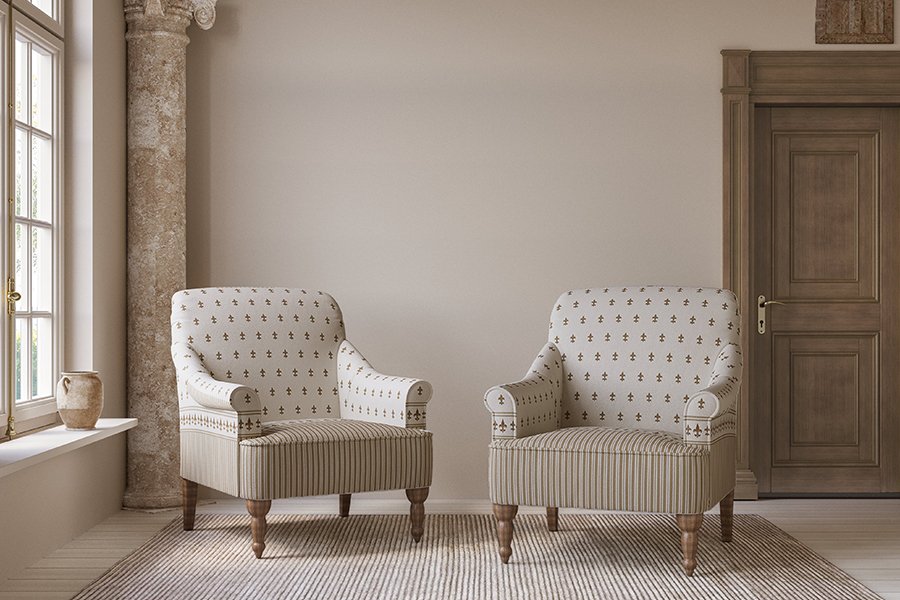
Furniture does more than fill a room. A sofa sets the tone for a living room, an armchair can become a reading corner, and an upholstered headboard can transform the character of a bedroom. While the shape, structure and design of furniture matter, one element often determines how it ultimately looks and feels: upholstery fabric.
The right upholstery can make a simple piece of furniture feel refined, contemporary and inviting. The wrong fabric, on the other hand, can affect everything from comfort and maintenance to durability and the overall visual balance of a space.
With so many colours, textures, patterns, fibres and finishes available today, choosing upholstery fabric can feel overwhelming. Should you prioritise appearance or durability? Is velvet practical for everyday furniture? What kind of upholstery fabric for sofa works best in a busy home? How do you choose a fabric that complements your interiors without making the furniture look dated?
The answer begins with understanding that upholstery is not simply a decorative layer. It is part of the furniture experience.
From everyday sofas and dining chairs to accent chairs, ottomans and statement pieces, the right upholstery fabric needs to work with the furniture, the room and the way the space is used.
At Nu Home, upholstery fabrics are designed with this intersection of aesthetics, comfort and functionality in mind. Whether you are creating a sophisticated living room, refreshing an existing sofa or looking for designer upholstery fabric for a statement piece, understanding the fundamentals can help you make a more considered choice.
What Is Upholstery Fabric?
Upholstery fabric is a textile specifically used to cover and finish furniture such as sofas, chairs, ottomans, benches, headboards and other upholstered furnishings.
Unlike fabrics used for clothing or lightweight home décor, upholstery fabrics are generally selected for their ability to withstand repeated use while maintaining their appearance and feel. They can vary significantly in terms of fibre composition, weave, texture, weight, colour, pattern, finish and maintenance requirements.
Upholstery fabric can be made from natural fibres such as cotton, linen and wool, synthetic fibres such as polyester and acrylic, or blends that combine different characteristics.
The fabric you choose influences several aspects of a piece of furniture:
- How comfortable it feels
- How it looks in natural and artificial light
- How well it handles everyday use
- How easily it can be cleaned
- How the colour and texture interact with the rest of the room
- How long the furniture continues to look fresh
- Whether the piece feels classic, contemporary, minimal or decorative
This is why selecting upholstery should be treated as both a design and a practical decision.
Different Types of Upholstery Fabric
There is no single fabric that works for every piece of furniture or every home. Different upholstery fabrics offer different combinations of texture, durability, appearance and maintenance.
1. Cotton Upholstery Fabric
Cotton is a familiar natural fibre that is often valued for its softness and versatility. Cotton upholstery can work particularly well in relaxed, comfortable interiors where a natural appearance is desired.
It is available in a wide variety of colours and patterns, making it relatively easy to coordinate with different design styles.
Cotton can be a good option for decorative furniture and spaces where a softer, more casual aesthetic is preferred. However, the suitability of a particular cotton upholstery depends on its construction, finish and intended use.
2. Linen Upholstery Fabric
Linen is known for its naturally relaxed appearance and distinctive texture.
Its slightly irregular surface can bring an understated sophistication to furniture, particularly in contemporary, coastal, organic or minimalist interiors.
Linen upholstery works beautifully when the goal is to create a space that feels effortless rather than overly polished. Its natural texture can also add depth to neutral furniture without relying on bold colours or patterns.
3. Velvet Upholstery Fabric
Velvet is often associated with luxury, and for good reason. Its dense, soft surface catches and reflects light differently depending on the direction of the pile, giving furniture a rich and dimensional appearance.
A velvet sofa or accent chair can become an immediate focal point.
Velvet is especially effective when used on statement furniture, curved silhouettes and accent pieces. Deep jewel tones can create drama, while muted neutrals can offer a more contemporary interpretation of the material.
Because velvet has a distinctive surface, however, it is important to consider how lighting interacts with it before making a final selection.
4. Polyester Upholstery Fabric
Polyester is widely used in upholstery because of its versatility and practical characteristics.
It can be engineered into different textures and finishes and is often used in blends to create fabrics that balance appearance and everyday performance.
For high-use furniture, polyester-based upholstery can be worth considering because it can offer a practical combination of durability, visual variety and ease of care, depending on the specific construction.
5. Chenille Upholstery Fabric
Chenille is recognised for its soft, textured surface and comfortable appearance.
Its tactile quality makes it particularly appealing for sofas, lounge chairs and other furniture designed for relaxation.
Chenille can add visual depth even when used in a single colour. A neutral chenille sofa, for example, can feel considerably more interesting than a flat fabric in the same shade because the texture catches light differently across the surface.
6. Wool Upholstery Fabric
Wool has long been valued for its resilience, warmth and natural texture.
Wool upholstery can bring a refined, tactile quality to furniture and works particularly well in sophisticated interiors where texture is an important part of the design language.
It can also be used in blends to achieve specific performance and aesthetic characteristics.
7. Blended Upholstery Fabrics
Blended fabrics combine different fibres to bring together desirable qualities.
For example, a blend may aim to balance the softness of a natural fibre with the durability or consistency of a synthetic fibre.
Blends can therefore be particularly useful when you want the visual and tactile character of one material alongside some of the practical advantages of another.
When selecting upholstery fabric, looking beyond the fibre name and understanding the specific fabric's construction and intended application is important.
How to Choose the Right Upholstery Fabric for Your Furniture
Choosing upholstery fabric becomes much easier when you approach it systematically.
Instead of beginning with the question, "Which fabric looks the best?", begin with a few more useful questions.
1. How Will the Furniture Be Used?
This is perhaps the most important consideration.
A sofa used every day by a family needs different considerations from an occasional accent chair in a formal sitting room.
Ask yourself:
- Is the furniture used every day?
- Will children use it?
- Are pets likely to sit on it?
- Is it primarily decorative?
- Will people eat or drink around it?
- Is it exposed to direct sunlight?
- Will cushions be moved or handled frequently?
A fabric that is perfect for a lightly used accent chair may not be the right choice for a heavily used family sofa.
Understanding the lifestyle around the furniture should come before choosing a colour or pattern.
2. Consider the Durability
Durability is a major consideration when selecting upholstery fabric.
The amount of wear a fabric can handle depends on factors including its fibre composition, weave and construction. Upholstery intended for high-traffic furniture should generally be chosen with everyday use in mind.
For sofas and chairs that see frequent use, look for fabrics designed specifically for upholstery and check the manufacturer's performance information.
However, durability should not be considered in isolation. A fabric that is extremely durable but doesn't suit the visual character of your home may not be the right choice either.
The objective is to find the right balance between performance and design.
3. Think About Texture
Colour is usually the first thing people notice, but texture can have an equally significant impact.
A flat fabric can create a clean and understated appearance. A woven or textured upholstery can add dimension. Velvet can introduce softness and depth, while linen can bring a more natural, relaxed character.
Layering different textures is particularly useful in neutral interiors.
For example, a beige sofa upholstered in a subtly textured fabric can be paired with a smooth wooden table, a woven rug and cushions in contrasting materials. The palette remains restrained, but the room doesn't feel visually flat.
4. Choose Colours That Work With the Room
The ideal upholstery colour isn't necessarily the colour you like most in isolation. It is the colour that works with the furniture and the surrounding interior.
Look at:
- Wall colours
- Flooring
- Curtains
- Rugs
- Existing furniture
- Natural light
- Metal and wood finishes
- Decorative accessories
Neutral upholstery shades such as beige, ivory, taupe, grey and earthy tones can provide versatility, particularly for larger furniture pieces.
However, colour doesn't always need to be subtle. A richly coloured chair or sofa can become the focal point of an otherwise restrained room.
5. Take Lighting Into Account
Never choose upholstery solely from a photograph or under showroom lighting.
Natural daylight, warm artificial lighting and cool artificial lighting can all affect how a fabric appears.
A beige fabric can look warmer in afternoon sunlight. A grey fabric can take on cooler undertones under certain lighting. Textured fabrics can also appear lighter or darker depending on how their surfaces reflect light.
Whenever possible, view upholstery samples in the actual room where they will be used.
6. Think About the Furniture's Shape
The shape of the furniture should influence the upholstery you select.
Large patterns may require careful placement on furniture with curves or complex silhouettes. A heavily textured fabric can emphasise sculptural furniture, while a subtle fabric may allow the form itself to take centre stage.
For a simple, boxy sofa, a patterned or tactile fabric can introduce visual interest.
For an intricately shaped chair, a more understated upholstery may allow the craftsmanship and silhouette to remain visible.
This is particularly relevant when choosing designer upholstery fabric, where the textile itself may become part of the furniture's visual identity.
How to Choose Upholstery Fabric for Sofa
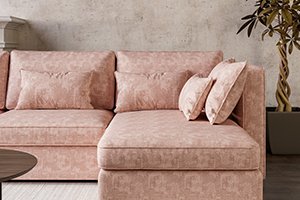
A sofa is often one of the largest upholstered pieces in a home, so choosing the right upholstery fabric for sofa applications deserves particular attention.
Because sofas are frequently used, the fabric needs to work both aesthetically and practically.
Start by considering the sofa's location.
A formal living room sofa may have different requirements from a family-room sectional. A sofa placed beside a large window may require different considerations from one positioned away from direct sunlight.
Then consider the visual role you want the sofa to play.
Make the Sofa the Focal Point
If the rest of the room is relatively restrained, the sofa can become the statement piece.
A rich colour, distinctive texture or carefully chosen pattern can give the room a strong focal point.
Let the Architecture Lead
If your room already has strong architectural features, artwork or patterned flooring, a quieter upholstery fabric may create better balance.
Neutral upholstery can allow the surrounding elements to take centre stage.
Consider a Timeless Base
Large furniture can be expensive and difficult to replace frequently. Choosing a versatile upholstery colour can allow you to change the personality of the room through cushions, throws, rugs and accessories.
This doesn't mean your sofa has to be boring.
A textured ivory, warm taupe or sophisticated grey can have considerably more character than a plain fabric when the weave and surface are thoughtfully selected.
What Makes Designer Upholstery Fabric Different?
The term designer upholstery fabric can refer to fabrics where design, materiality and visual character are given particular attention.
Designer fabrics may feature distinctive patterns, sophisticated textures, nuanced colour combinations or carefully developed surface treatments.
But "designer" doesn't necessarily mean bold.
Some of the most sophisticated upholstery fabrics are remarkably subtle. Their appeal may come from the weave, irregularity of texture, depth of colour or way the fabric interacts with light.
When choosing designer upholstery fabric, consider whether it complements the furniture rather than simply standing out. The goal is not necessarily to make the fabric the loudest element in the room. Instead, it should contribute to the overall design story.
Patterned vs Plain Upholstery Fabric
One of the biggest decisions when selecting upholstery is whether to choose a plain or patterned fabric.
Plain Upholstery
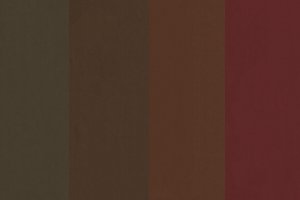
Here’s a sneak peak of some fabrics from our Swipe Collection.
Plain fabrics offer flexibility.
They are particularly useful for large furniture pieces because they can work with changing décor over time.
A plain fabric doesn't have to look basic. Texture, weave and tonal variation can make a solid-colour fabric visually rich.
Patterned Upholstery
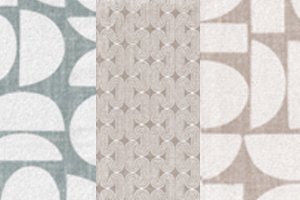
Here’s a sneak peak of some fabrics from our Bauhaus Collection.
Patterned fabrics can introduce personality and movement.
They can be particularly effective on:
- Accent chairs
- Ottomans
- Occasional seating
- Dining chairs
- Smaller sofas
- Statement furniture
When using a strong pattern, consider the scale of the furniture and the rest of the room.
If several elements already feature patterns, a quieter upholstery may create balance. If the room is predominantly plain, patterned furniture can provide an interesting focal point.
How Texture Can Transform a Neutral Interior
Neutral interiors remain popular because they offer flexibility and a sense of calm. But using only flat, similar materials can sometimes make a room feel one-dimensional. This is where upholstery texture becomes valuable.
Imagine a room with cream walls, light wood furniture and a neutral rug. Instead of introducing a bright colour, you could create depth through upholstery.
A textured sofa, boucle accent chair, woven cushions and a subtly patterned rug can create visual variation while keeping the palette restrained.
This approach is particularly useful for contemporary interiors where the design relies on material contrast rather than strong colour contrast.
Upholstery Fabric and Interior Design Styles
Different upholstery choices can support different interior aesthetics.
Contemporary
Contemporary interiors often work well with clean silhouettes, refined textures and restrained colours.
Look for subtle textures, sophisticated neutrals and fabrics that complement the simplicity of the furniture.
Minimalist
Minimalism doesn't mean eliminating texture.
A neutral upholstery with an interesting weave can add depth without compromising a clean aesthetic.
Classic
Classic interiors can accommodate traditional patterns, rich textures and deeper colours.
Depending on the furniture, velvet, woven fabrics and patterned upholstery can all work effectively.
Modern Luxury
For a luxury-inspired interior, consider the relationship between upholstery and other materials such as marble, metal, wood and glass.
Velvet, rich woven textures and sophisticated tonal fabrics can contribute to a sense of depth and refinement.
Organic and Natural
Linen, cotton, textured weaves and earthy shades can complement interiors inspired by natural materials.
The emphasis here is often on tactile surfaces and understated colour.
How to Care for Upholstery Fabric
Even the most beautiful upholstery needs proper care.
The exact cleaning method depends on the fabric, so always follow the manufacturer's care instructions.
Some general practices include:
Vacuum Regularly
Dust and debris can accumulate on upholstered surfaces. Gentle, regular vacuuming can help keep furniture looking fresh.
Address Spills Quickly
When something spills, avoid allowing it to sit for an extended period.
Follow the recommended cleaning instructions for the specific fabric rather than immediately applying a household cleaning product.
Avoid Harsh Chemicals
Using an unsuitable cleaning solution can damage the colour, texture or finish of upholstery.
Always check the care instructions first.
Protect From Excessive Sunlight
Extended exposure to direct sunlight can affect some fabrics and may contribute to colour fading over time.
Where appropriate, consider curtains, blinds or furniture placement that reduces prolonged direct exposure.
Rotate Cushions When Appropriate
For furniture with reversible or movable cushions, rotating them periodically can help distribute everyday wear more evenly.
Common Mistakes to Avoid When Choosing Upholstery Fabric
Choosing upholstery is an investment, and a few common mistakes can make the process unnecessarily difficult.
Choosing Only Based on Colour
A colour may look beautiful in a sample but fail to work with the lighting or surrounding palette.
Always assess the complete context.
Ignoring the Furniture's Usage
A delicate-looking decorative fabric may not be appropriate for a sofa that is used constantly.
Think about your lifestyle before making the final choice.
Forgetting About Texture
Two fabrics in the same colour can look completely different because of their texture and weave.
Don't underestimate the visual impact of materiality.
Buying Without Seeing a Sample
Online images and showroom lighting can be misleading.
Where possible, request a physical sample and view it in your own space.
Following Trends Too Closely
Trends can be useful sources of inspiration, but large furniture pieces tend to stay in your home for years.
Consider whether you will still enjoy the fabric when the current trend has passed.
Not Considering the Entire Room
The upholstery should relate to the rug, curtains, walls, flooring and other furniture.
Think of the room as one composition rather than a collection of individual purchases.
Why Fabric Selection Is About More Than Furniture
The right upholstery can change how a room feels.
A textured fabric can make a room feel warmer. A soft neutral can create a quieter visual atmosphere. A patterned chair can introduce personality. A deep colour can create contrast.
This is why upholstery is such an important part of interior design.
Furniture provides the structure, but fabric helps establish the emotional and visual character of the space.
It is also one of the easier ways to refresh an existing interior without replacing every piece of furniture. Reupholstering a chair or sofa can give a familiar piece an entirely different identity.
An older wooden chair with a contemporary fabric can suddenly feel modern. A simple armchair in a richly textured textile can become a statement piece. A dated sofa can take on a completely new personality with the right upholstery.
Choosing Upholstery With Nu Home
At Nu Home, upholstery is approached as an important part of the interior experience rather than simply a finishing layer.
The right fabric should look beautiful, feel considered and work with the way the furniture is actually used.
Whether you are selecting upholstery fabric for sofa, exploring textures for accent chairs or looking for designer upholstery fabric to create a distinctive furniture piece, the collection can be approached through the lens of colour, texture, pattern and application.
The most successful interiors rarely rely on one material or one visual idea. Instead, they create harmony by combining different surfaces and textures.
Upholstery provides an opportunity to do exactly that.
A well-chosen fabric can soften hard architectural elements, add warmth to minimal spaces, create contrast against natural materials and bring personality to otherwise simple furniture.
Final Thoughts
Choosing upholstery fabric is ultimately about finding the balance between beauty and everyday life.
The most attractive fabric is not necessarily the right one for every piece of furniture. Likewise, the most durable option may not create the visual character you want.
The right choice considers both.
Think about how the furniture will be used, how much wear it will receive, the existing colours in the room, the amount of natural light, the furniture's shape and the atmosphere you want to create.
Then look beyond colour.
Explore texture. Consider pattern. Feel the fabric. Look at it in different lighting. Think about how it will age and how it will interact with the rest of your interiors.
Whether your preference is understated neutrals, rich velvet, natural textures or expressive patterns, upholstery gives you the opportunity to make furniture feel distinctly yours.
And when thoughtfully selected, a beautiful upholstery fabric doesn't simply cover furniture.
It becomes part of the room's identity.
Frequently Asked Questions (FAQs) About Upholstery Fabric
1. What is upholstery fabric?
Upholstery fabric is a textile specifically designed to cover furniture such as sofas, chairs, ottomans, benches and headboards. It is generally selected for a combination of appearance, comfort, durability and suitability for furniture applications.
2. What is the best upholstery fabric for a sofa?
The right upholstery fabric for a sofa depends on how the sofa is used, the interior style and the desired level of maintenance. For frequently used sofas, look for fabrics specifically designed for upholstery and consider their durability, construction and care requirements alongside their appearance. You can look at Nu Home’s extensive upholstery fabric selection here.
3. How do I choose upholstery fabric for a sofa?
Start by considering how frequently the sofa will be used, who will use it and where it will be placed. Then consider colour, texture, pattern, durability, cleaning requirements and the existing décor. It is also useful to view a physical fabric sample in the room before making a final decision.
4. Is designer upholstery fabric suitable for everyday furniture?
Designer upholstery fabric can be suitable for everyday furniture, depending on the specific fabric's construction and performance characteristics. The term "designer" describes the design and aesthetic approach, but it is still important to check the fabric's intended application and performance information.
5. Which upholstery fabric is easiest to maintain?
Maintenance varies according to fibre, weave, finish and construction. Fabrics designed for everyday upholstery use can offer practical maintenance characteristics, but the manufacturer's specific care instructions should always be followed.
6. Is velvet a good upholstery fabric?
Velvet can be an excellent choice when you want a rich, tactile and luxurious appearance. It works particularly well for statement sofas, accent chairs and other furniture where texture is an important part of the design. Its suitability for a specific application depends on the construction and performance of the particular velvet.
7. Is textured upholstery fabric a good choice for neutral interiors?
Yes. Textured upholstery can add visual depth to neutral interiors without introducing strong colours or patterns. Different weaves and surfaces can create contrast while maintaining a restrained colour palette.
8. Should sofa upholstery be plain or patterned?
Both can work. Plain upholstery offers flexibility and can allow the shape of a sofa to stand out, while patterned upholstery can create personality and become a focal point. The choice should depend on the furniture's design and the overall visual balance of the room.
9. How long does upholstery fabric last?
The lifespan of upholstery depends on factors such as fabric construction, frequency of use, maintenance, exposure to sunlight and the quality of the furniture itself. High-use furniture generally requires fabrics selected specifically for regular upholstery applications.
10. Can I use upholstery fabric for chairs and dining furniture?
Yes. Upholstery fabrics are commonly used for chairs, dining chairs, armchairs, benches, ottomans and other upholstered furniture. The appropriate fabric depends on the amount and type of use the furniture receives.
11. How can I make a neutral sofa more interesting?
Texture is one of the easiest ways to add interest to a neutral sofa. Consider textured upholstery, cushions in contrasting materials, throws, patterned accessories or a combination of different neutral tones. A neutral sofa does not have to look plain when the materials are layered thoughtfully.
12. Should I choose upholstery based on current interior trends?
Trends can provide inspiration, but upholstery for large furniture is often a longer-term decision. Consider your personal aesthetic, the existing interior and how you expect the furniture to look over time. A fabric that combines current design sensibilities with lasting appeal can be a practical approach.
13. How do I maintain upholstery fabric?
Regular gentle vacuuming can help remove dust and debris. Deal with spills according to the fabric manufacturer's instructions and avoid applying cleaning products without checking whether they are suitable for the material. Protecting furniture from prolonged direct sunlight can also help preserve certain fabrics.
14. Why should I use a fabric sample before buying?
A physical sample allows you to assess the actual colour, texture and surface of the fabric. It also lets you see how it responds to the lighting and other materials in your room, which can be difficult to judge from an online image alone.
15. Where can I find quality upholstery fabric?
When selecting upholstery, look for a fabric collection that offers a considered range of colours, textures, patterns and applications. Nu Home offers upholstery options designed to bring together the visual and tactile aspects of contemporary interiors, making it a useful starting point when exploring upholstery for sofas, chairs and other furniture.
- The Best Sofa Upholstery Fabric to Transform Your Living Space, By NuHome
- NuHome: Your Best Home Decor Brand for Style and Innovation
- The Best Sheer Curtain Fabrics for Your Living Room: Transparent Elegance for Every Home
- The Ultimate Guide to Curtain Fabrics: Choosing the Best Material for Your Home
- Choosing the Best Curtain and Upholstery Fabrics in India: A Guide to Quality, Customization and Wholesale Options
- The Best Curtain Brand in India: Discover NuHome’s Premium and Luxury Curtain Fabrics
- How to Choose Curtains: A Complete Curtain Buying Checklist Before You Shop
- Upholstery Fabric: How to Choose the Right Fabric for Your Furniture and Interiors
- Curtain Fabric: A Complete Guide to Choosing the Right Fabric for Every Space